


Viagra: Uses, Effectiveness, Safety, and Clinical Guidance
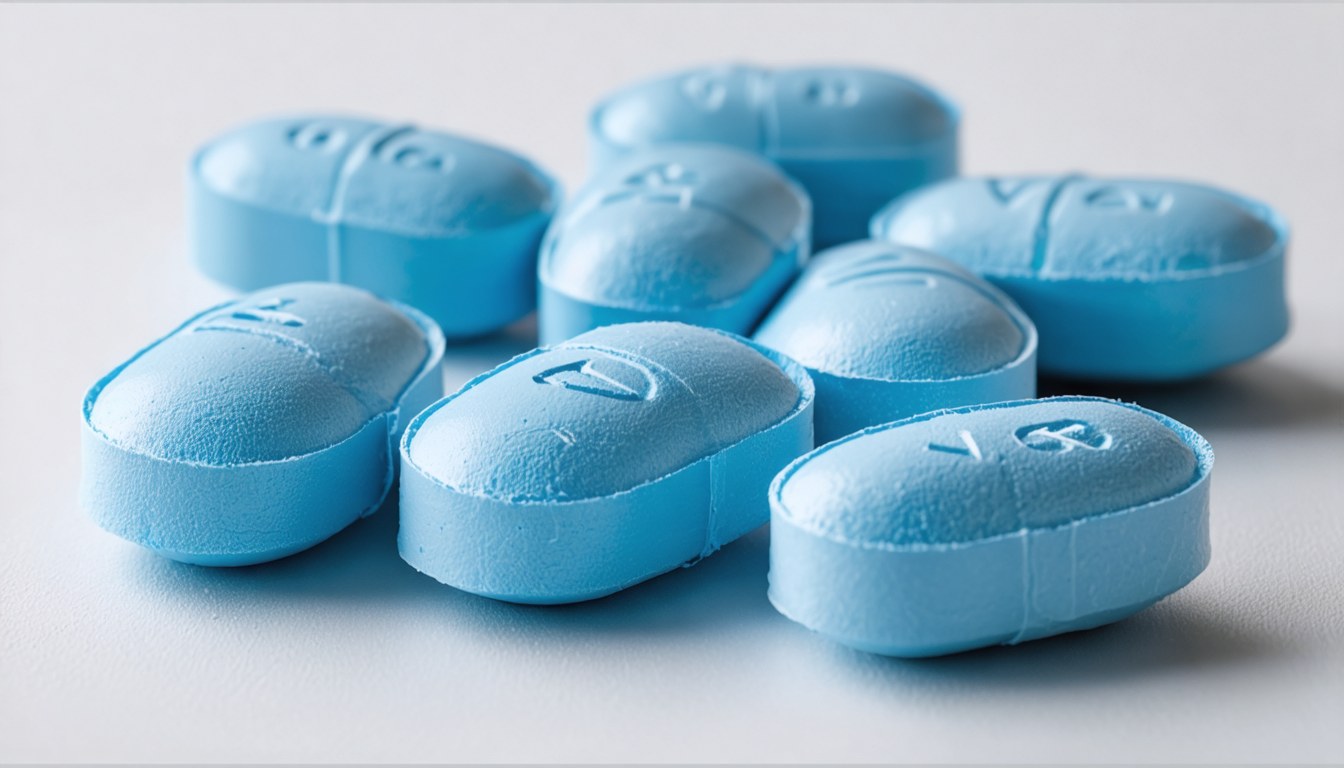
Viagra
Disclaimer: This article is for educational purposes only and does not replace consultation with a qualified healthcare professional. If you have symptoms or questions about treatment, seek personalized medical advice.
Basics: what it is
Viagra is the brand name for sildenafil, a medication primarily used to treat erectile dysfunction (ED). ED is the persistent inability to achieve or maintain an erection sufficient for satisfactory sexual performance.
Sildenafil belongs to a class of medicines called PDE5 inhibitors (phosphodiesterase type 5 inhibitors). It works by enhancing the natural effects of nitric oxide, a chemical the body produces that relaxes muscles in the penis. This increases blood flow during sexual stimulation, making it easier to achieve an erection.
Viagra does not increase sexual desire and does not cause an automatic erection. Sexual arousal is still required for it to work.
For broader context on men’s health topics, see our Men’s Health overview and Sexual Wellness guide.
How PDE5 inhibitors work at the molecular level
During sexual stimulation, nitric oxide activates guanylate cyclase, increasing cyclic guanosine monophosphate (cGMP). cGMP relaxes smooth muscle in penile arteries. PDE5 breaks down cGMP; sildenafil inhibits PDE5, prolonging cGMP activity and supporting erection quality.
Onset and duration of action
Sildenafil is typically taken before anticipated sexual activity. Onset usually occurs within 30–60 minutes, and effects may last several hours. High-fat meals may delay absorption.
Symptoms and signs
Viagra treats erectile dysfunction. Common signs and symptoms of ED include:
- Difficulty achieving an erection – even with adequate stimulation.
- Trouble maintaining an erection – erection is lost before or during intercourse.
- Reduced rigidity – erection is present but not firm enough for penetration.
- Performance anxiety – psychological distress associated with sexual performance.
ED may be occasional or persistent. When it occurs regularly for several weeks or months, medical evaluation is recommended.
Common risk factors for erectile dysfunction
- Diabetes mellitus
- Hypertension and cardiovascular disease
- Smoking
- Obesity and sedentary lifestyle
- Depression and anxiety disorders
- Hormonal disorders (e.g., low testosterone)
Similar conditions: how to differentiate
Several conditions can resemble or overlap with erectile dysfunction. Proper evaluation helps determine whether Viagra is appropriate.
| Condition | Main Feature | How It Differs from ED |
|---|---|---|
| Low libido (hypoactive sexual desire) | Reduced sexual interest | Desire is low; erection may be normal if aroused |
| Premature ejaculation | Early climax | Erection occurs, but ejaculation happens sooner than desired |
| Performance anxiety | Situational difficulty | Erections may be normal during sleep or masturbation |
| Peyronie’s disease | Penile curvature and pain | Structural abnormality rather than blood flow issue |
Nocturnal erections as a diagnostic clue
Men with psychogenic ED often retain normal nocturnal or early-morning erections. Their presence suggests intact vascular and nerve function.
Diagnosis
Before prescribing Viagra, clinicians typically assess:
- Medical history – cardiovascular disease, diabetes, medication use.
- Sexual history – onset, severity, and context of symptoms.
- Physical examination – including cardiovascular and genital exam.
- Laboratory tests – blood glucose, lipid profile, and sometimes testosterone levels.
- Cardiovascular risk evaluation – because ED may be an early sign of heart disease.
ED can precede cardiovascular events by several years. For this reason, it is often viewed as a marker of systemic vascular health.
Read more in our Cardiovascular Risk and Prevention resource and Hormonal Health section.
Why heart health matters before using Viagra
Sildenafil affects blood vessels and blood pressure. Men with unstable angina, recent heart attack, or severe hypotension require careful evaluation. Combining sildenafil with nitrates can cause a dangerous drop in blood pressure.
What usually helps
Viagra is one of several evidence-based treatments for erectile dysfunction. Management depends on underlying causes and overall health status.
1. PDE5 inhibitors
Medications such as sildenafil (Viagra), tadalafil, and vardenafil improve erectile function by increasing penile blood flow. They are commonly first-line therapy unless contraindicated.
2. Lifestyle modification
- Smoking cessation
- Regular physical activity
- Weight management
- Improved blood pressure and glucose control
These measures may improve both erectile and cardiovascular health.
3. Psychological counseling
For men with anxiety, depression, or relationship stressors, therapy can be beneficial alone or in combination with medication.
4. Hormonal treatment
If low testosterone is confirmed, hormone replacement may be considered under medical supervision.
5. Other options
Vacuum erection devices, injectable therapies, intraurethral medications, or surgical implants may be used when oral medications are ineffective or contraindicated.
Common side effects of Viagra
- Headache
- Flushing
- Indigestion
- Nasal congestion
- Visual disturbances (e.g., blue-tinged vision)
Rare but serious effects include sudden vision or hearing loss and priapism (prolonged erection). Immediate medical care is required if these occur.
Drug interactions and contraindications
Viagra must not be used with nitrates (e.g., nitroglycerin). Caution is required with alpha-blockers, certain antifungals, protease inhibitors, and other medications that affect blood pressure or liver metabolism.
Viagra in pulmonary hypertension
Sildenafil is also approved (under different brand names and dosing regimens) for pulmonary arterial hypertension, where it helps relax pulmonary blood vessels and improve exercise capacity.
FAQ
1. How long does Viagra last?
Its effects typically last several hours, though individual response varies.
2. Does Viagra increase sexual desire?
No. It improves blood flow but does not increase libido.
3. Can younger men use Viagra?
It may be prescribed for adults with ED regardless of age, but underlying causes should be evaluated.
4. Is it safe for people with heart disease?
Some individuals with stable heart disease can use it safely, but medical clearance is essential.
5. Can women take Viagra?
Sildenafil is not approved for treating female sexual dysfunction, though research has explored limited scenarios.
6. What if Viagra does not work?
Other PDE5 inhibitors, dose adjustments (under supervision), or alternative therapies may be considered.
7. Is ED always psychological?
No. Physical causes such as vascular disease, diabetes, and hormonal imbalances are common.
8. Can lifestyle changes alone reverse ED?
In some cases—particularly early or mild ED—improving cardiovascular health can significantly improve symptoms.
Sources
- U.S. Food and Drug Administration (FDA) – Sildenafil prescribing information.
- American Urological Association (AUA) – Erectile Dysfunction Guidelines.
- National Institute of Diabetes and Digestive and Kidney Diseases (NIDDK) – Erectile Dysfunction.
- European Association of Urology (EAU) – Guidelines on Sexual and Reproductive Health.
- Mayo Clinic – Erectile Dysfunction Overview.